It's a Zoo in Here!
Posted by Sherein Bansal on August 17, 2016The cutest, warmest, furriest and squishiest photos of kids are the ones in which they are cuddling up with a loving animal. Well now, we can't send an animal your way but what we CAN give you is a list of books that you can cuddle up with, along with excited little humans. Books about animals - funny, unpredictable, generous, strange, friendly, loud and just adorable.
Good Night, Tinku By Preethi Nambiar, Sonal Goyal and Sumit Sakhuja
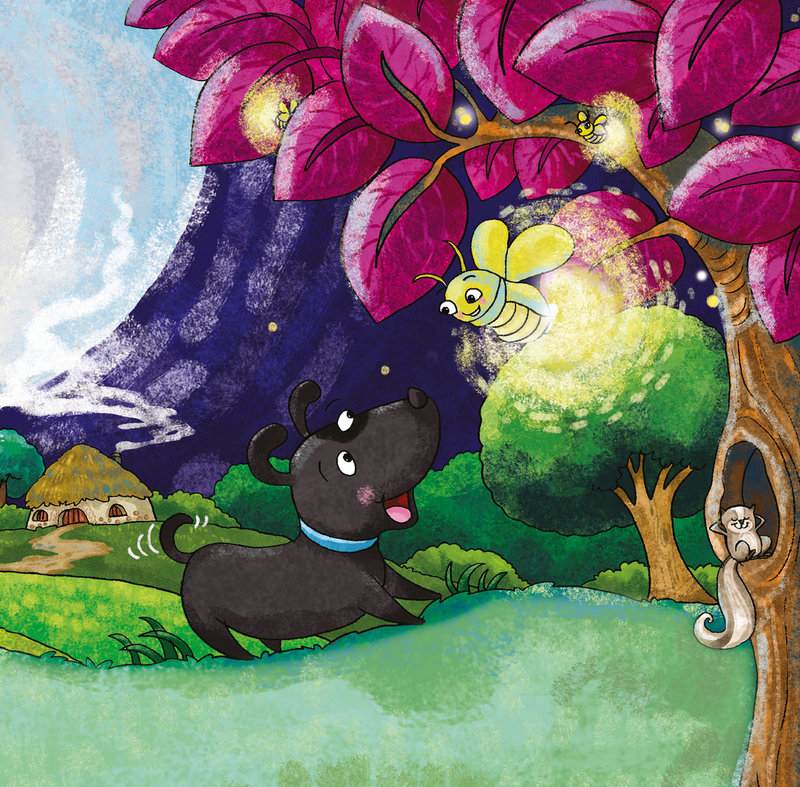
Afraid of the dark? We all are sometimes. Here comes Tinku the dog, who explored the dark and found…. friends! Tag along where he wags on, and meet some new animals that are wide awake when you are deep asleep. From Hindi to Sanskrit, from French to Italian, we have all these translations available for you, and more!
Anaya's Thumb by Natasha Sharma and Ruchi Shah
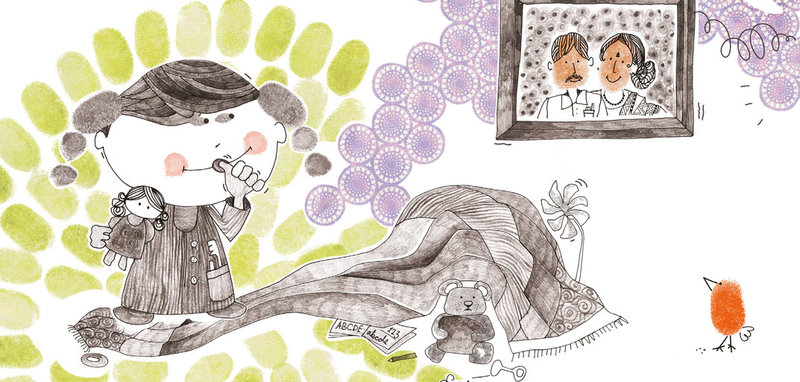
Anaya has a bad habit. She keeps sucking her thumb! Know anyone like that? But then one day she went to the zoo and quit. Read about the human and animal behavior she witnesses before making this decision. Apart from a number of Indian languages, this book is also available in German and Portuguese.
Sniffles, the Crocodile and Punch, the Butterfly by Herminder Ohri
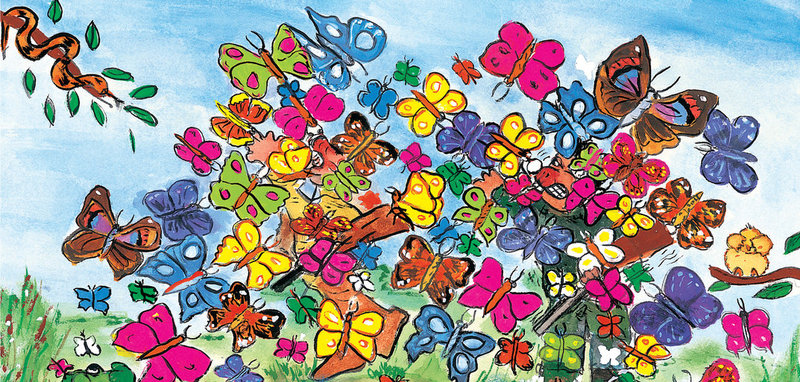
A big, strong animal that cries and a light as feather one that likes to punch! Let's go beyond the deceptive waters of someone's cover and read about this amazing friendship that… saved lives! Do you know Sniffles, the crocodile also speaks in Kiswahili and IsiXhosa?
Clean Cat by Kanchan Bannerjee and Deepa Balsavar
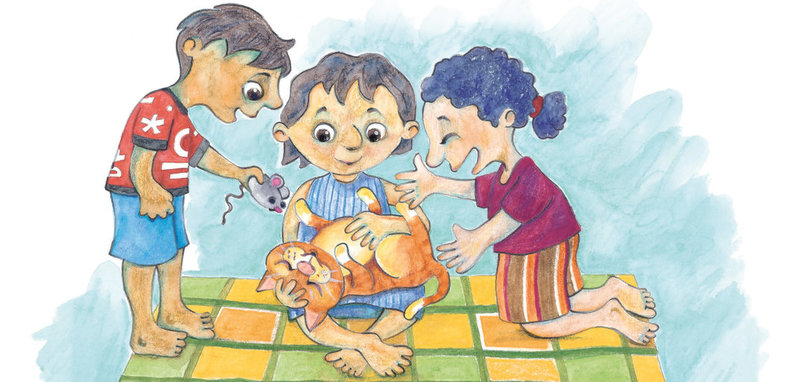
It doesn't matter how long you've been living somewhere, you will never know your neighborhood as well as a cat. This Clean Cat is up to all kinds of fun and antics. Read in 6 languages including Urdu, Marathi and two bilingual versions too.
Samira's Awful Lunch by Bharati Jagannathan and Preeti Krishnamurthy
How many of you have heard of kids complaining about what they got for lunch? *raises hand* You too? That's what we thought. Well, we have some very kind animals in this book who are willing to share ideas for food alternatives. Do read and find out what Samira finally chooses!
ಕಾಗೆ ಬಳಗವ ಕರೆಯಿತು (The Generous Crow) by Venkatramana Gowda and Padmanabh
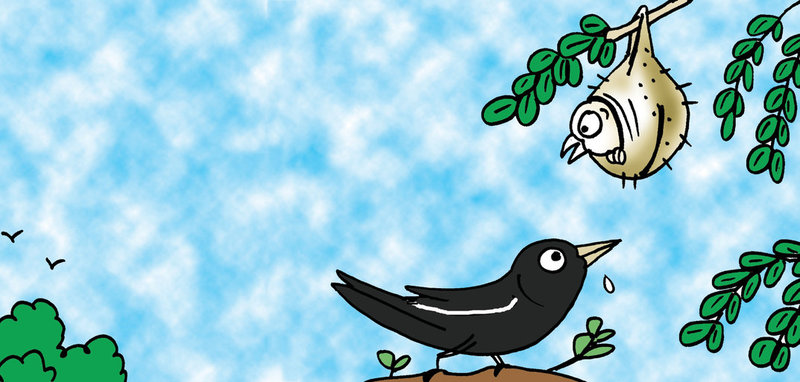
It's hard to be in a classroom full of students and feel 'different' or smaller than the others. It's probably like being a small crow in a huge forest full of animals that seem better than you. This is a story in Assamese, Telegu and Tamil in which a crow 'Caws Caws' his way through a journey of self-identity and self-esteem.
Noisy Crows by Kanchan Bannerjee and Deepa Balsavar
Here's another story about crows and this one is just plain NOISY! Available in Hindi, Marathi and Kannada along with English as bilingual books, find out which animal likes this crow's singing.
The Jungle Book by Madhav Chavan, Meera Tendolkar and Ketan Raut
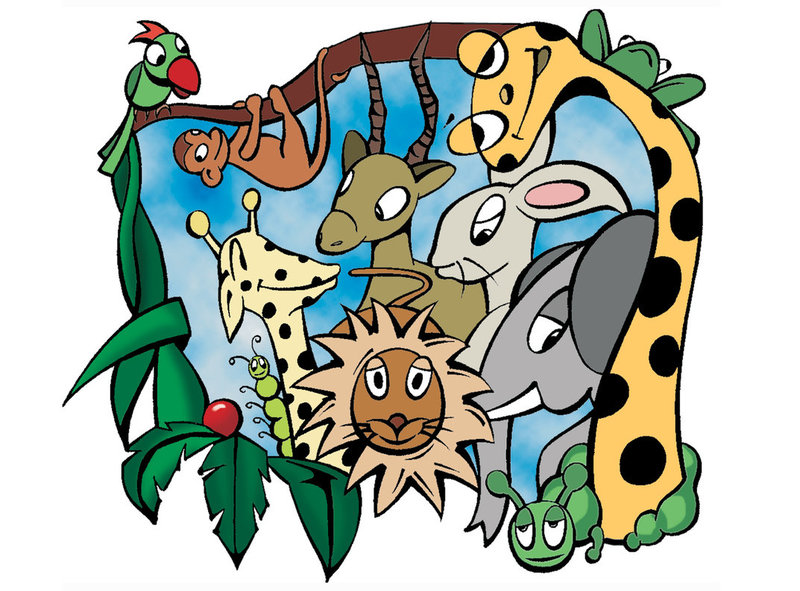
Available in Punjabi, Odia and three African languages, this book follows a few animal friends who hear about an exciting new development in the forest. Their jungle has a school! So they go in search of it and wait for the teacher. Guess who turns up?
Busy Ants by Kanchan Bannerjee and Deepa Balsavar
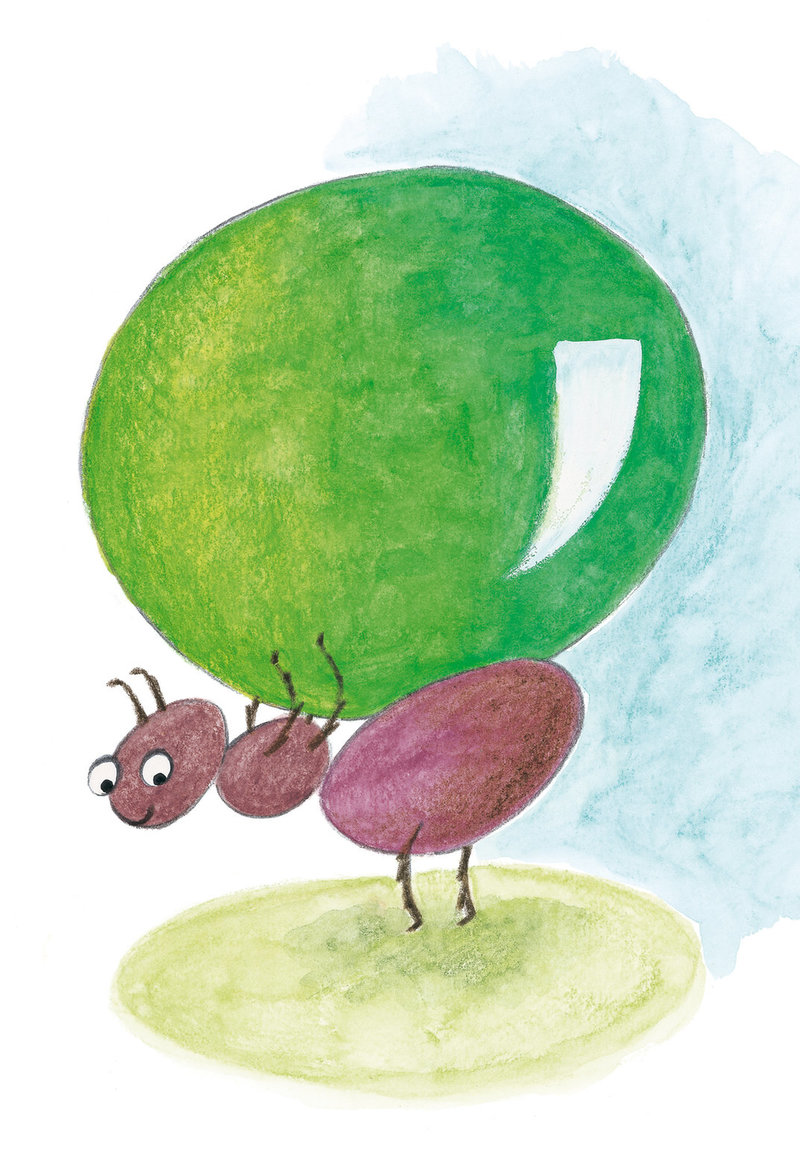
Have you ever seen ants just loitering about or sitting in the shade passing their time? No, they are always busy, and they have some unique traits and skills too! You can read all about them in Malayalam and Tamil, along with other languages.
भीमा गधा (Bheema, the Sleepyhead) by Kiran Kasturia and Shweta Mohapatra
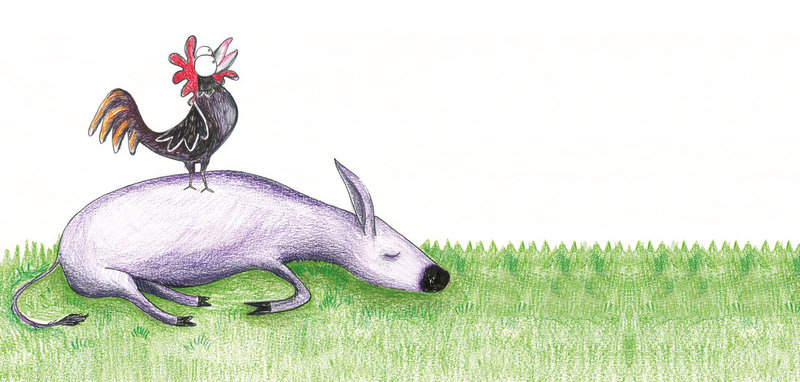
Translated in 14 languages, this book tries to answer a fundamental question of our existence: how does a person (in this case, a donkey) wake up early in the morning? Bheema likes to sleep like a log, and it doesn't matter who tries to wake him up. See what finally works for him. Maybe it will work for you too?
Do you have a favourite animal story? Tell us what it is in the comments, or on Twitter and Facebook!
Be the first to comment.Diversity in Children's Books: Why it Matters
Posted by Yamini Vijayan on July 01, 2016This year, we published a book called 'How Do Aeroplanes Fly?' on StoryWeaver in 10 languages. The book – written by Aditi Sarawagi and illustrated by Lavanya Karthik - was recently introduced to a group of children in Kota, Rajasthan, by a colleague during one of her field visits. One of the interesting observations she had made was that the children – both boys and girls – were struck by the mention of female pilots. “We didn't know that women could fly planes,” one of them had said to her. You can watch a related video here.
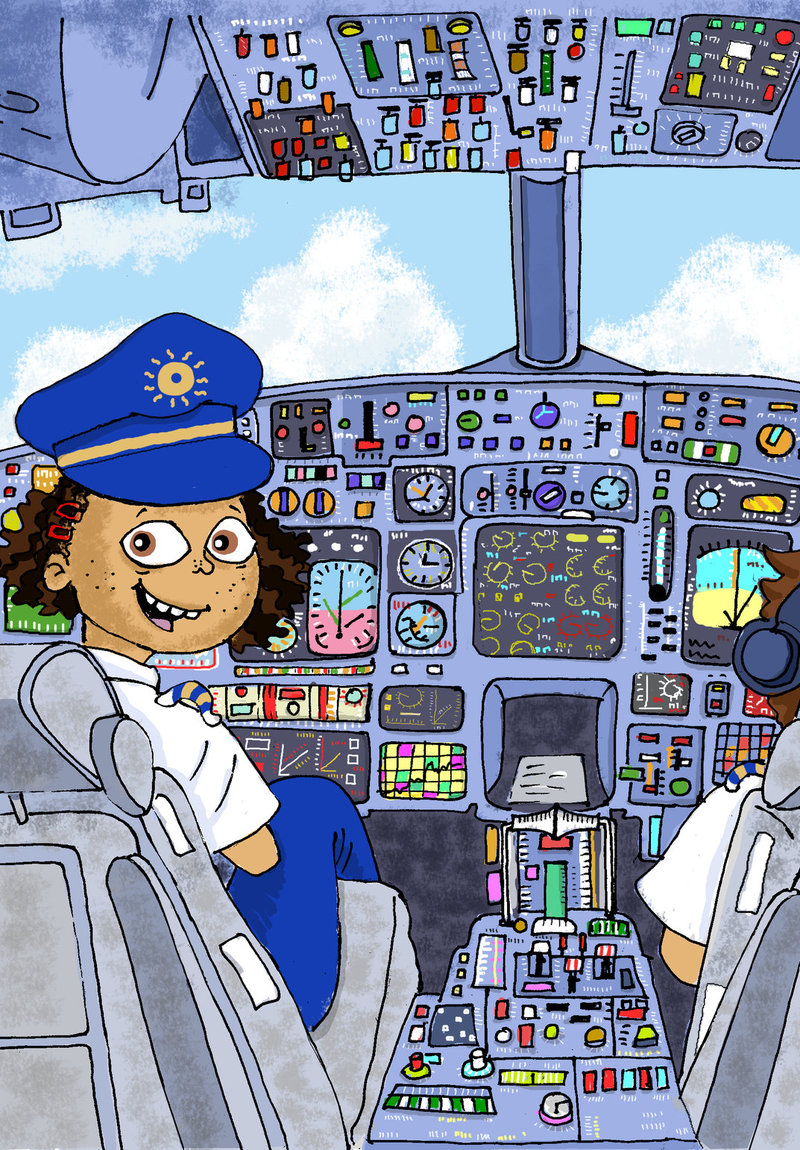
While I'm aware of disparities existing in every corner of India, this still took me by surprise. It also made me realize that all the thinking we do, as publishers, teachers and parents – which often feels like overthinking – is most definitely a good thing. Including a woman pilot and an Indian one at that had made a difference here, after all.
Over the last couple of years, there has been a lot of conversation around the growing need for diverse and inclusive books. And what does diversity mean, you ask. I suppose it could mean a range of things: from gender and religion, to language and ethnicity. The website We Need Diverse Books has listed down their vision as “A world in which all children can see themselves in the pages of a book." In India, initiatives like @genderlogindia and BAM! Books have actively helped keep this conversation alive.
In 2012, a national consultation involving experts from institutions, authors, editors, publishers, librarians and educators was organized by National Book Trust. 'The Good Books Guide', the document that emerged from this gathering, speaks about diversity and inclusion in its section on values. “There is a need to realize that many groups – and their world-view and perspectives – are often ignored in children's literature. For instance, girls, tribal or dalit children, children with special needs, working children and those living in urban slums, don't get enough representation in mainstream literature.”
When I think about the first set of books that were published on StoryWeaver (released digitally first), a few titles come to mind. To be completely honest though, it feels odd to be calling these books diverse. Why should a boy cooking be thought of as diverse? Why should a book featuring a single-parent household be slotted as diverse? Just because there are characters from the North-East of India, should a book be treated as diverse? Children living near a garbage dump... diverse?
Here's the thing though. There aren't enough children's books, especially in India, in which boys or men are shown to be cooking. Single-parent households in children's books? Hardly. Characters from the North-East? A handful. Well, you get the point. In a world in which children are surrounded with fear, prejudice and suspicion, these stories – which include multiple perspectives and help build empathy - become all the more important. Stories with diverse characters will help them realize that 'the other' – in any regard – is more like them than they had imagined. And that even if they weren't, these differences are to be celebrated.
If we want our children to be independent in their thinking, we certainly need to give them access to rich and eclectic narratives that not only only inspire curiosity, but also show rigid patterns being broken gracefully. In Ross Montgomery's recent article on 'Why Writing Diverse Children's Books is Tough', he addresses a lot of issues that well-meaning authors are likely to run into. After all, you don't want to include diverse characters in your book just for the sake of having diversity, do you? But as he points out, “We all have to strive to create well-rounded diverse characters and find new ways of writing. The fact that it’s hard isn’t a good enough excuse: we have to step away from the established paths and take more risks. Who knows - we might even find a better one.”
And while you're (hopefully) contemplating these rather baffling questions, allow us to make suggestions of a few books that we consider diverse. Please add your book recommendations in the comments section below.
Favourites from StoryWeaver & Pratham Books
Please note that all these books are available in multiple languages.
1. Bonda and Devi
In this story of unlikely friendship, Devi – one of the protagonists – is physically challenged. Set in the future, we had to make the wheelchair kind of futuristic as well. Spot it?
2. Where Did Your Dimples Go?
Langlen's father is Tamil and mother is Manipuri. It was just before this story was illustrated that one of the contributors suggested that Langlen's (formerly known as Leela) mother be from the North-East region of India, since it is hugely under-represented in children's books.
3. Dum Dum-a-Dum Biryani
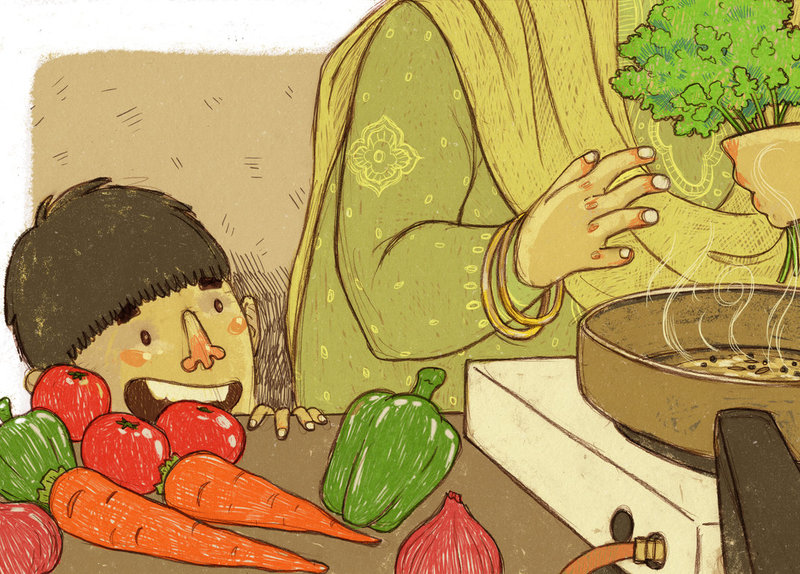
Bored of seeing only women cooking in children's books? Finally, a boy who loves to cook! Meet Basha, who loves to hang around in the kitchen as his Ammi cooks all kinds of delicious dishes.
4. A Helping Hand
Told through a series of letters, this is a moving story of acceptance and blossoming friendship.
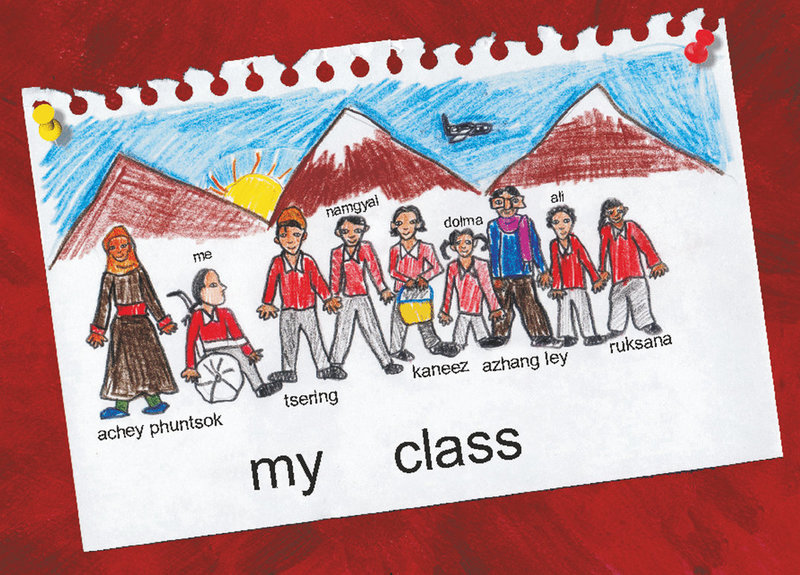
Set in Ladakh, this is the story of Chuskit, a differently-abled girl who longed to go to school but was unable to because she could not walk. But after a nine-year wait, she is finally able to go to school!
6. Freedom Run
In many tiny villages in Uttar Pradesh, small children work long hours at the looms to create carpets famous around the world for their intricate designs. This is a story about the forgotten children of India.
7. Didi Ka Rang Biranga Khazaana
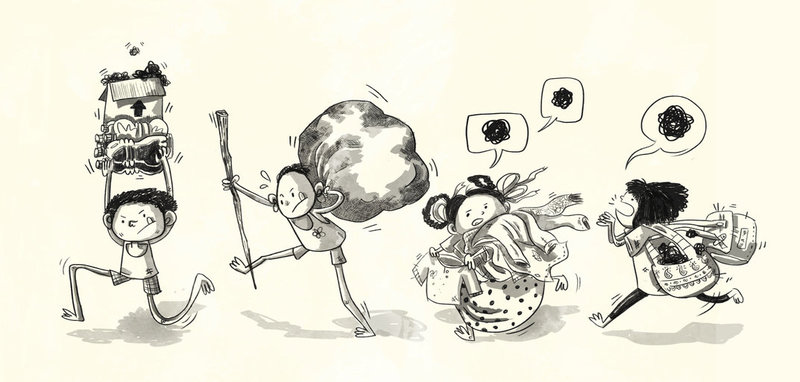
Living close to a garbage dump, these children run around garbage all day, without attending school. But then one day, Didi walks into the dump, changing their lives forever. Meet Didi and her young friends in this wonderful story that celebrates the joy of reading.
8. Adikhani series (a set of 10 bilingual books)
Drawing inspiration from the challenges facing tribal education, three organisations (Pratham Books, Ignus-ERG with the support of Bernard van Leer Foundation) held writing workshops with authors speaking Saura, Munda, Kui and Juanga languages to create picture books for early readers. These charming stories are drawn from the rich oral tradition of various tribal languages and the illustrations use tribal art with a contemporary twist. The script used in these books is Odia.
Dichi, a brave Bhotiya girl, takes part in the Chipko movement to save her beloved trees.
10. Manikantan Has Enough
Manikantan isn't pleased about having moved from his beautiful village to Smart City where his every move is being watched. But he did it for Amma, who is his mother and father and all the family he had in the world.
Favourites From Other Publishers
1. 'Bhimrao Ambedkar: The Boy Who Asked Why' by Sowmya Rajendran and Satwik Gade (Tulika)
2. 'The Princess with the Longest Hair' by Komilla Raote and Vandana Bist (Katha)
3. 'The Lonely King and Queen' by Deepa Balsavar (Tulika)
4. 'The Sackclothman' by Jayasree Kalathil (DC Books)
5. 'Dear Mrs. Naidu' by Mathangi Subramanian (Young Zubaan)
6. 'Simply Nanju' by Zainab Sulaiman (Duckbill Books)
#FreedomtoRead 2019: Ankit Dwivedi on how stories in Bundelkhandi can impact children in his home state
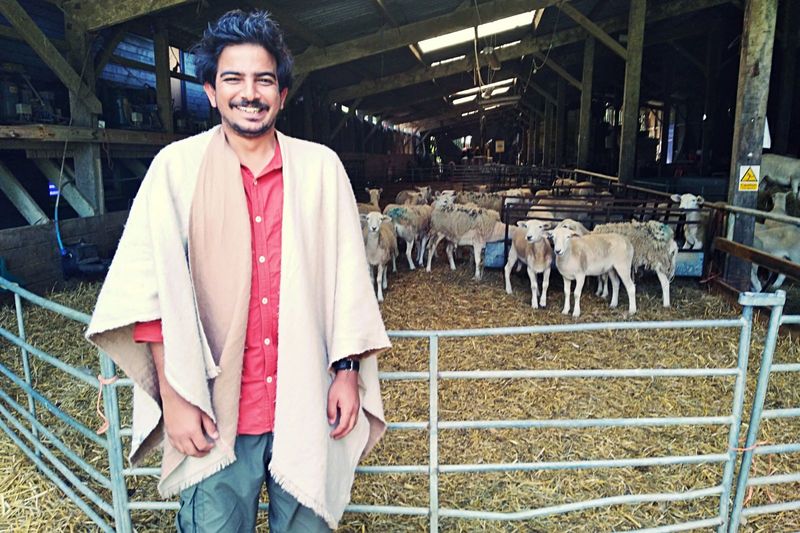
Posted by Asawari Ghatage on February 19, 2019Ph.D. scholar and researcher Ankit Dwivedi loves to write and tell stories. He is translating stories into Bundeli or Bundelkhandi language. He is a native of Lalitpur, a city that lies at the heart of Bundelkhand. He speaks the dialect of Bundelkhandi and uses the Devanagri script to write it. Ankit’s research work during his Masters's programme has been a qualitative study of a local language newspaper run by women which have influenced him to explore local language learning possibilities for children. Though there are millions, according to Ankit, who speaks Bundelkhandi language, there is a dearth of interesting and engaging reading material for children in the region. Ankit wants to change all of that by translating and creating a digital library of books in Bundelkhandi. In an email interview he tells us the challenges of translating in his mother tongue and how stories can make for the best company in the world.
Where is Bundelkhandi Spoken?
The Bundelkhandi language is an Indo-Aryan tongue that is spoken in central India's Bundelkhand area. It is a member of the Western Hindi cluster of Central Indo-Ayran languages. Devanagri script is used to write the Bundeli language words.
The poems of the Alha-Khand epic are early instances of Bundelkhandi literature. In the Banaphari area, bards continue to preserve it. The epic tells the story of heroes from the 12th century CE. The age of Emperor Akbar is when formal Bundeli literature was first produced. Kesab Das, a poet from the sixteenth century, is one notable author. During the nineteenth century, Padmakar Bhatt and Prajnes both produced a number of works. At the Chhatrasal of Panna's court, Prannath and Lal Kabi produced a large number of works in the Bundeli language.
Bundelkhandi Language And Its Origins
Rajputs and various other warlike tribes used to primarily speak the Bundelkhandi language. Additionally, it is regarded as an Indo-Aryan language and is mostly spoken in Madhya Pradesh's Bundelkhand area. It is also spoken in various areas of Uttar Pradesh, usually more so in the south.
Bundeli is, however, mostly regarded as the western form of Hindi. It is traditionally connected to Braj Language and was only largely spoken in the north Indian region till the 19th century. There are allegedly 20 distinct ways to speak in this verbal communication.
There are up to 20 million native speakers of this vocal communication. It employs the Devanagari script as its writing system. Even in Madhya Pradesh, the biggest state in India with an area of around 443446 square kilometers, it is recognised as the most often used expression.
This Is What A Bundelkhandi Language Translator Has To Say
Ankit wants to change all of that by translating and creating a digital library of books in Bundelkhandi. In an email interview, he tells us the challenges of translating in his mother tongue and how stories can make for the best company in the world.
Why did you decide to translate storybooks to Bundelkhandi as part of Freedom to Read?
It is always a pleasure to read in the language we have grown up speaking. I realised that there weren't too many many stories or picture books in Bundelkhandi. So, this is my effort and a little step towards building a digital library in Bundelkhandi that is free and accessible to all.
Describe your process of translations and how long does it take usually?
I translate those stories that I enjoy myself as a reader. I spend some time capturing the essence of the story in the original language and wondering how it may be preserved in the language I am translating to. Then, comes the play with words. Reading it out loud helps. As for time, I would say, sometimes it takes two to three hours to translate a story. And sometimes, edits may take days.
What kind of a person do you think makes the best kind of translator for children’s stories?
I believe children use their senses in a much more mindful way than adults. They don’t just want to walk through a garden, they want to taste it, smell it and they want to know how everybody who is living and breathing there feels. For adults, seeing the world from the child's perspective can be an effort and practice. Those who are willing to make that effort can be great at writing, illustrating or translating children’s stories.
What is the hardest thing about translating from English into Bundelkhandi? How do you navigate words or phrases that are tricky to translate?
It is definitely tricky. In Bundelkhandi, just like many other dialects, who is speaking and how one speaks shapes what is being said. Just to give an example, the "Kaay" sound in Bundelkhandi is used to call people out like ‘Hey there’, and make exclamatory remarks like ‘What! Really?’ or in an interrogative speech to ask ‘Why?’. So, while writing, one has to consider what possible meanings the reader might be making out of these. I offer translations to people who speak the language and see how they are reading it. Repeating this process many times over gets us a better draft.
Can you tell us anything about yourself and your job that would surprise us?
I work with stories as a researcher and a storyteller. They make for a great company and people of all ages need the warmth and love they bring. I have seen adults heartily enjoying the simple linear ‘we know what’s going to come’ stories and I have seen children engaging deeply as we peel the layers of complex grey characters. I hope as adults, we take children more seriously. And ourselves, maybe a little lesser.
How Does Learning a Native Language Help Children?
In a way that few other things can, learning a native language may make you feel more connected to your ancestors and culture. The ability to think in one's mother tongue might act as a constant reminder that one is culturally varied and can always retreat to one's "home."
In addition to facilitating communication and interpersonal connections, our native tongue also helps us to comprehend and appreciate our own and our predecessors' cultural heritage. For kids, especially those from various familial situations, it fosters an awareness and understanding that is beyond useful.
Not only that but young children who had access to age-appropriate books and literature in their mother tongue had better pre-literacy abilities than kids who only had access to books in their second language.
Furthermore, Children who initially learn to read in their mother tongue will find it simpler than children who never learn to read in their first language to learn to read in their second language.
Even though they must acquire new letters, sounds, and words to become proficient readers in a second language, children who can read in their mother tongue comprehend the process of reading.
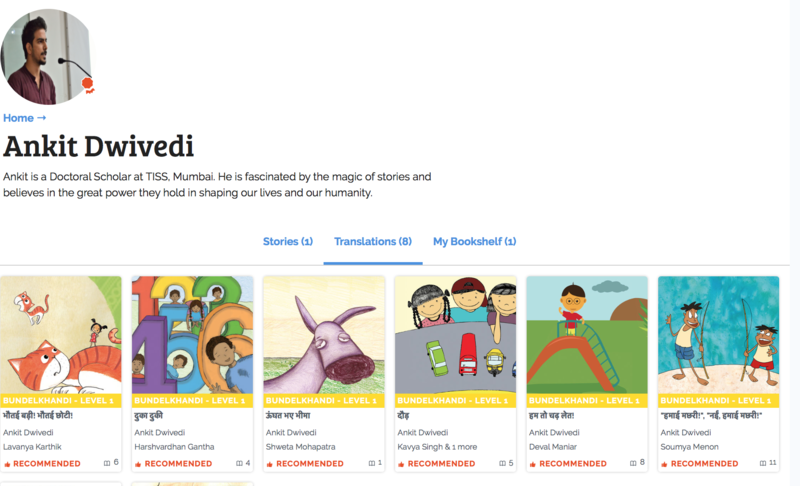
You can read Bundelkhandi stories translated by Ankit here.
Be the first to comment.